The Version of Me I Couldn’t Be (Yet)
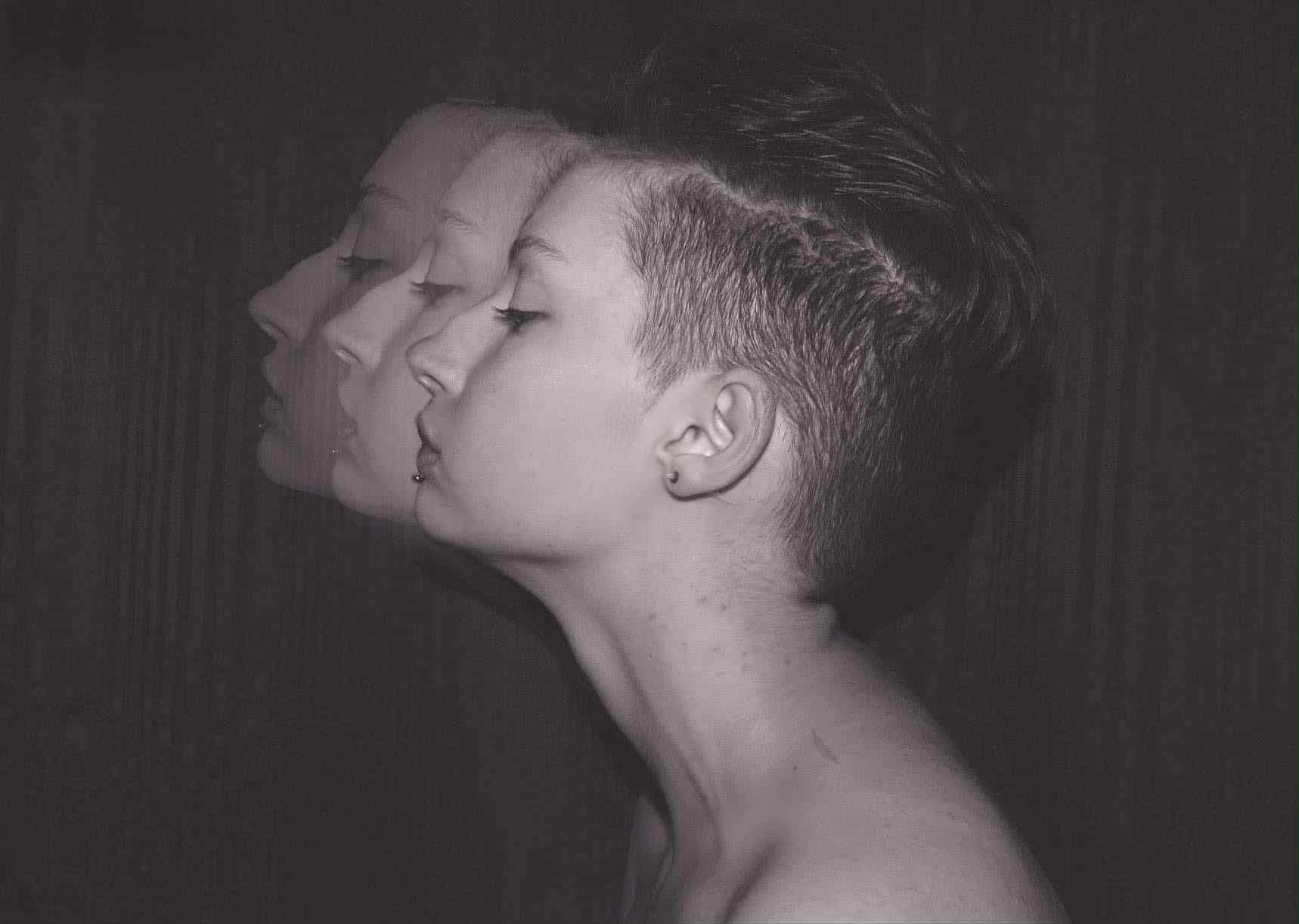
There was a version of me I only dreamed of—but couldn’t seem to become.
That version of me didn’t give in so easily. They didn’t spiral after a bad day. They didn’t wake up with regret, replaying the same mistakes I had tried to fix in my head a thousand times before. They were stable. Disciplined. Calm.
And I hated them a little for how out of reach they felt.
Because no matter how badly I wanted to be that person, I kept falling back into the same patterns. It wasn’t just the addiction—it was what came with it: the shame, the self-doubt, the quiet belief that maybe this was just who I was.
I didn’t become stronger overnight. Nor did I suddenly wake up with more willpower.
Instead, I did something that felt strange at first.
I created someone who already had it.
What is an Alter Ego?
An alter ego is a second identity or personality within yourself that represents different traits, behaviours, or sides of your personality. It’s not literally another person—it’s more like a persona you step into. Alter egos act as a controlled, temporary, and intentional persona designed to access previously existing but dormant traits like confidence, focus, or assertiveness.
Unlike escapism, which avoids reality, a well-constructed alter ego acts as a “shield” or bridge that enables an individual to confront high-pressure situations, overcome self-doubt, and improve performance.
The simple way to think about it is that your alter ego is the version of you that is more confident, bold, creative, or fearless.
It’s a mindset or identity you adopt in certain situations as a way to express parts of yourself you don’t always show. For example, someone shy in real life might have an outgoing alter ego on stage.
Writers or artists may create alter egos to explore different voices. Athletes sometimes use alter egos to tap into confidence under pressure. In a deeper sense, an alter ego can also be a tool for growth. People use it to practice new behaviours safely, heal or rewrite parts of their identity.
This can help aid in separating who they were from who they’re becoming. In recovery or healing, someone might create an alter ego that represents: their grounded, recovered self, their future self, their strongest, most self-protective version. An alter ego could change your life.
Why I Created my Alter Ego
For a long time, I tried to “fix” myself. As if I was broken with missing parts.
I told myself to be more disciplined. To try harder next time. I consumed all the advice—habits, routines, mindset shifts—but none of it seemed to stick. Because underneath all of it was a belief I couldn’t shake:
I’m not capable of being that person.
I didn’t believe I was strong or consistent. So every time I tried to act that way, it felt like I was pretending—and eventually, I’d snap back to what felt familiar.
That’s when something shifted.
Instead of trying to change myself, I imagined a version of me who already had those traits. Someone who didn’t hesitate and handled pressure without collapsing. A version of me who made the right choice—not because it was easy, but because that’s just what they do.
I wasn’t trying to become them overnight. I was just… borrowing them.
And weirdly, that felt easier.
Separating Myself from My Addiction
One of the hardest parts of addiction isn’t just the behavior—it’s how quickly and easily it becomes your identity. When you step away you feel like you are just leaving yourself behind.
I stopped seeing my actions as something I was experiencing and started seeing them as something I was. Weak. Undisciplined. Out of control. A drug addict.
Creating an alter ego gave me space. An alter ego gave me the ability to separate the emotional and physical aspects of my addictive persona.
When I slipped, it wasn’t “this is who I am.” It became, “this is the pattern I’m trying to break.” That might sound like a small shift, but for me, it allowed me to shift from self shame and blame to self compassion and acceptance.
My alter ego wasn’t weighed down by my past. They didn’t carry the same shame or guilt. This version of me wasn’t defined by the worst things I’d done to myself or others.
They had a chance to start with a clean slate.
And stepping into that—even temporarily—gave me a break from the constant self-judgment that had been keeping me stuck.
Designing My Alter Ego: Becoming Specific About Who I Needed.
I didn’t leave this version of me vague, I got very specific.
I asked myself: What do I actually need right now? Not in some abstract, idealized way—but in the moments where I was most likely to fall back into old habits.
I needed discipline, yes—but I also needed a calm presence. This had to be someone who didn’t panic or melt down when things got uncomfortable. Someone who respected themselves enough to set the boundaries they needed without guilt. They knew well enough to walk away from what was hurting them—but without leaving all the debris from their devastation. Someone consistent, even when no one was watching.
I started to picture how this version of me would think, speak, and act. How they’d respond to stress. What they’d do when a craving hit.
I even gave them a name. Not because I was trying to become someone else—but because it made them easier to access. Separating my past from theirs, it made them feel real. And that mattered.
Using My Alter Ego in Trigger Moments
The real test wasn’t in theory—it was in the moments that used to break me.
Late at night. After a stressful day. At 2 a.m. when I was alone with my thoughts. When the urge hit, it felt immediate and overwhelming.
That’s when I’d pause—even briefly—and ask:
What would my alter ego do right now?
Not what should I do. Not what I’d promised myself earlier. But what would they do?
That question created just enough distance between me and the impulse.
In time, they became a step in higher power when I was struggling. Sometimes the answer was simple: walk away, distract myself, sit with discomfort without reacting but rather understanding. Other times, it was just choosing not to make things worse.
I don’t always get it right. But I started getting it right more often.
And those small wins started to add up.
The Strange Part: It Started Working
At first, it felt awkward. Almost like I was playing a role I hadn’t earned.
But over time, something shifted.
The decisions started to feel less forced. The pause between urge and action got a little longer. The voice of that alter ego became easier to hear—and quicker to respond.
I began noticing changes, not just in what I did, but in how I thought and acted.
I handled situations differently. I didn’t spiral as quickly. I started trusting myself in small ways again.
And the strangest part?
I didn’t feel like I was pretending anymore. This was becoming a version of me I could believe was real.
You Don’t Have to Wait to Become Who You Need to Be
For a long time, I thought change had to start with almost a ‘knowing’. That I had to feel and think I was strong before I could act strong.
But that wasn’t true.
Action came first. Identity followed.
Creating an alter ego wasn’t about escaping who I was—it was about expanding it. It gave me a way to act differently before I fully believed I could. And over time, those actions started to reshape that belief of who I am.
If you’re stuck, if you feel like you keep falling into the same patterns, maybe the answer isn’t trying harder as the version of you that’s struggling.
Maybe it’s stepping, just for a moment, into the version of you who already knows what to do.
You don’t have to wait to become that person.
You can start practicing being them now.
Never let who you are today stand in the way of who you are meant to become.