The Hardest Truths I’ve Learned in Recovery
There was a time when I thought honesty meant simply not lying.
If you had asked me back then, I would have said I was an honest person. I didn’t steal. I didn’t go out of my way to deceive people. I told the truth—at least the version of it that I could live with. But recovery has a way of peeling back layers you didn’t even know were there, and what I’ve learned is this:
I wasn’t lying to others nearly as much as I was lying to myself and omitting information from others.
And that was the most dangerous place to be.
The Lies That Felt Like Survival
In active addiction and unresolved trauma, honesty doesn’t always feel safe—it feels threatening. For me, dishonesty wasn’t always about manipulation or intention. It was about survival.
I told myself things like:
“I’m fine.”
“This isn’t that bad.”
“I can stop whenever I want.”
“This is just who I am.”
Those weren’t just thoughts. They were shields.
Because if I told myself the truth—that I was struggling, that I was hurting, that I was losing control—I would have had to face something I wasn’t ready to face: my own pain.
Trauma taught me to disconnect. Addiction gave me a way to stay disconnected. And honesty? Honesty threatened to reconnect me to everything I had spent the last 13 years trying to avoid.
The Moment Honesty Became Unavoidable
There’s usually a moment in recovery where the truth gets louder than the lies.
For me, it was dramatic. It was a rock bottom that I’d dug so deep there didn’t seem to be a way out. It was quieter, but heavier. It was the realization that I couldn’t keep pretending and expect anything to change.
I was exhausted—not just physically, but emotionally. Tired of performing. Tired of saying I was okay when I wasn’t. Tired of living in a version of reality that required constant maintenance.
That’s when honesty stopped being optional.
It became my new survival.
Learning to Be Honest With Myself
Being honest with myself didn’t happen overnight. In fact, it still sometimes feels incredibly unnatural at first.
Because self-honesty requires you to sit with things like: discomfort, shame, fear, and grief.
And instead of numbing or escaping, you have to name them. You have to face them head on.
I had to start asking myself questions I had avoided for years: What am I trying to avoid?… What do I need?… What am I pretending not to see?
At first, I didn’t trust my answers. Sometimes I still don’t. But the act of asking—of pausing instead of reacting—became a turning point.
I began to notice my physical cravings differently too.
Instead of immediately trying to escape them, I started recognizing them: The tightness in my chest, the restlessness in my body, and the racing thoughts that tried to convince me I needed something. Ever so slowly, I learned this: a craving isn’t a command. It’s a signal.
And honesty is what allows me to interpret that signal instead of obeying it.
Honesty Without Compassion Is Just Shame
This is something I had to learn the hard way.
Early on, I thought being honest with myself meant being harsh. Calling myself out. Holding myself accountable in a way that felt more like punishment than growth.
But that kind of honesty didn’t help me heal—it pushed me right back into addiction to try and avoid the past I worked so hard to paint as a pretty little picture.
Real honesty in recovery isn’t about tearing yourself down. It’s about telling the truth and holding space for it.
It sounds more like:
“I’m struggling today, and that’s okay.”
“I had a craving, and I didn’t act on it—that matters.”
“I’m not where I want to be yet, but I’m trying.”
That shift—from judgment to compassion—changed my view of myself.
Because when I stopped attacking myself for what I felt, I stopped needing to escape it.
Being Honest With Others
If being honest with myself was difficult, being honest with others felt even harder.
Because honesty makes you visible and vulnerable.
And when you’ve lived through trauma or addiction, being visible can feel dangerous. Vulnerability brings a fear of being judged, misunderstood, rejected.
So I learned to hide.
To downplay.
To say just enough, but not too much.
Recovery helped me to challenge that.
It asked me to start showing up as I actually was—not just the version of me that felt acceptable.
That meant saying things like:
“I’m not okay today.”
“I am an addict”
“I’m struggling with cravings.”
“I’m a trauma survivor”
“I need support.”
Those words didn’t come easily. Even now, they don’t always. But every time I choose honesty over hiding, I build something that addiction tried to take from me: connection and genuine support.
The Risk and Reward of Vulnerability
There’s no way around it—honesty is risky.
Not everyone will understand. Not everyone will respond the way you hope. And that can hurt.
But the alternative—living behind a mask—is far more isolating.
I’ve learned that honesty doesn’t mean telling everyone everything. It means choosing safe people and being real with them. This allows yourself to be seen in the process, not just in my progress.
And the reward?
The reward is realizing that I don’t have to do this alone.
There are still days when honesty feels overwhelming.
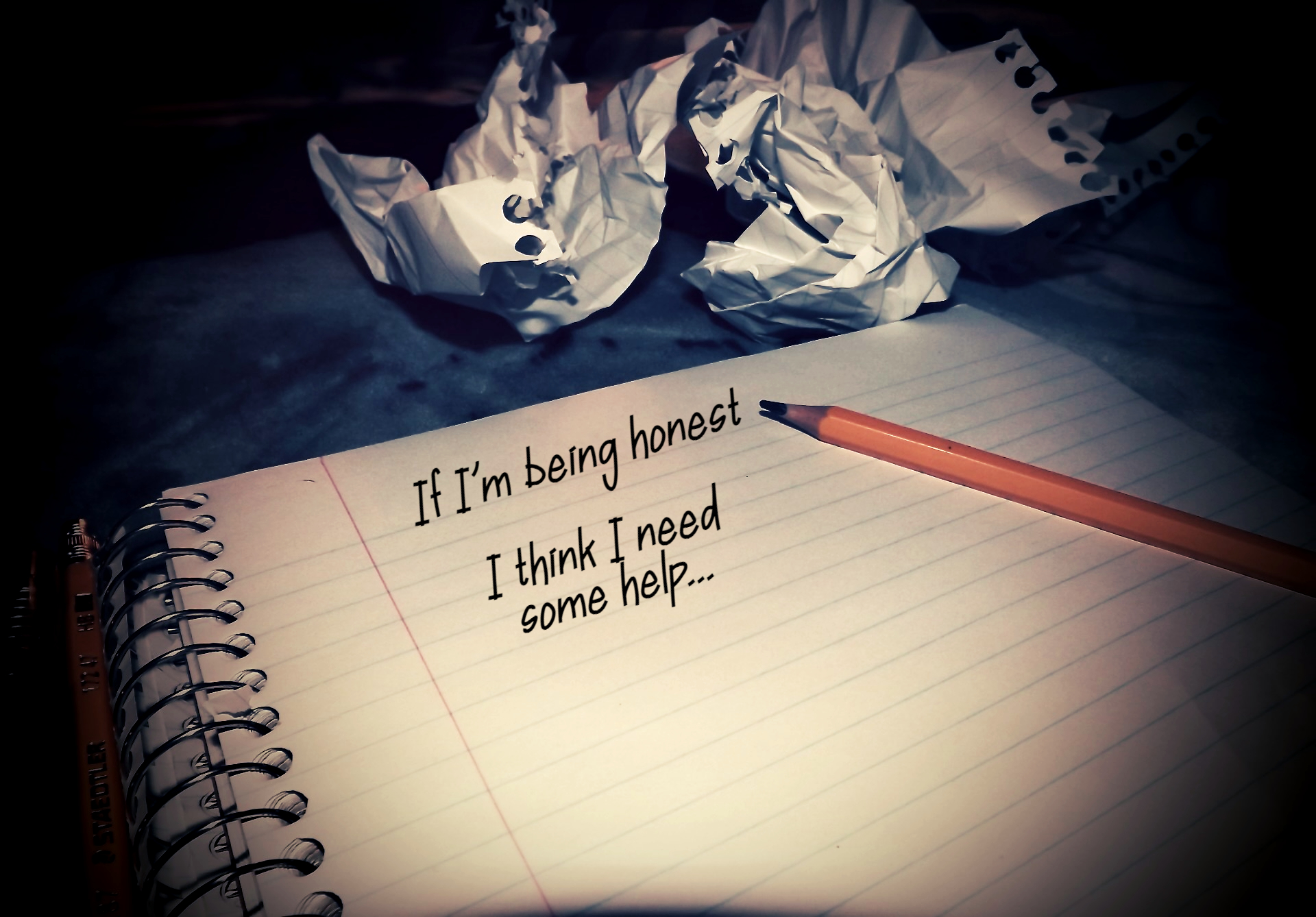
Days when it would be easier to shut down, to say “I’m fine,” to avoid looking too closely at what’s going on inside me.
On those days, I remind myself:
Honesty doesn’t have to be perfect. It just has to be real.
Sometimes honesty looks like admitting I’m not okay and breaking down crying in the middle of a meeting. It can be as simple as acknowledging a craving without acting on it plus telling someone I trust that I’m struggling.
It doesn’t have to be big. It just has to be true.
Honesty as a Daily Practice
Recovery has taught me that honesty isn’t a one-time decision—it’s a daily practice.
It’s in the small moments:
It’s pausing before reacting, checking in with my body and noticing when I’m avoiding something. The hardest one for me still is choosing to speak up instead of staying silent.
The more I practice it, the more natural it becomes.
Not easy—but easier.
And over time, something shifts.
The truth becomes less scary.
My emotions become more manageable.
My cravings lose some of their power.
The Freedom in Telling the Truth
The biggest surprise for me has been this:
Honesty, the thing I feared the most, has given me the most freedom.
When I’m honest I don’t have to keep track of who I’m pretending to be or which lies I have told to which person. I don’t have to hide what I’m feeling, I can hold a safe place for those emotions without taking them out on anybody else but knowing I don’t have to carry them alone.
I get to be human. I get to make mistakes and own them. I get to grow.
I’m still learning.
There are still layers of honesty I haven’t fully reached yet. Still things I’m uncovering, still patterns I’m working through. But I’m no longer living in complete avoidance.
I can recognize when something feels off. I can name my emotions more often than not. I can sit with discomfort without immediately trying to escape it. And maybe most importantly—I can tell the truth about where I am. Not where I think I should be. Not where I want others to think I am. But where I actually am.
If there’s one thing I’ve learned, it’s this:
Honesty in recovery isn’t about perfection. It’s about willingness. The willingness to look inward, to tell the truth, and to be seen. It’s uncomfortable. It’s messy. And sometimes, it’s painful. But it’s also where healing begins.
Because the moment I stopped lying to myself was the moment I gave myself a chance to change.
And every time I choose honesty—whether it’s with myself or someone else—I take another step toward a life that feels real, grounded, and mine.
And that, more than anything, is worth it.